
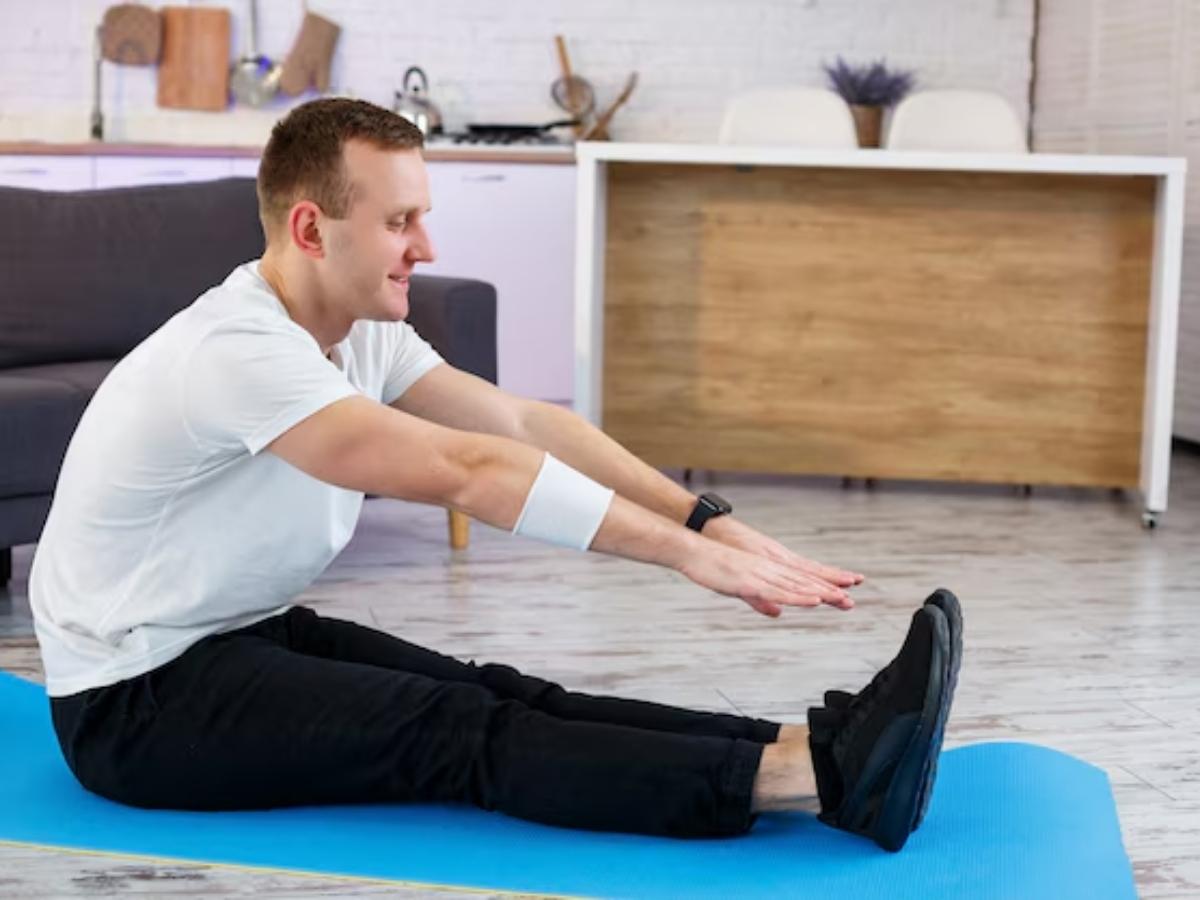
Sciatica pain may be highly irritating and disrupting and this may affect the lower back, hips, and legs. It often starts with a sharp or painful feeling on the lower back and comes down one leg making sitting, standing, walking, even sleeping very painful. Luckily, the presence of exercises, which can relieve the pain of sciatica, is one of the most effective, natural, and prolonged ways of dealing with the symptoms and regaining mobility.
In This Blog
- What Is Sciatica Pain?
- Why Exercises Are Essential for Sciatica Pain
- Best Exercise for Sciatica Pain: Physiotherapist-Recommended
- 1. Knee-to-Chest Stretch
- 2. Piriformis Stretch
- 3. Pelvic Tilt Exercise
- 4. Seated Spinal Stretch
- 5. Cat-Cow Stretch
- Physiotherapy Exercises for Sciatica Pain (Advanced Level)
- 6. Glute Bridge Exercise
- 7. Bird Dog Exercise
- 8. Hamstring Stretch
- Exercises for Lower Back Pain and Sciatica
- Exercise for Sciatica Pain Video: Why Visual GuidanceMatters
- How Often Should You Do Sciatica Exercises?
- What to Avoid During Sciatica Pain
- Exercises for Sciatica Pain in Urdu
- FAQs – Exercises for Sciatica Pain
- Conclusion
The evidence-based approach to physiotherapy exercises to sciatica pain conditions in Ginnastic Physiotherapy assumes the mitigation of the painful condition and the underlying cause. This detailed plan outlines the best exercises to use in sciatica pain, low back strengthening programs, stretching programs, and expert physiotherapy knowledge in order to recover safely.
What Is Sciatica Pain?
Sciatica is caused by irritation or compression of the sciatic nerve which is the longest nerve in the human body. It starts at the lower spine and passes through hips, buttocks, and towards each leg. When this nerve is crushed or pinched either by the creation of a disc herniation, spinal stenosis, tightness in the muscles or bad posture, the result will be sciatica pain.
Common Symptoms of Sciatica:
- Sharp or shooting in the lower part of the back to the leg
- Pain or aching in the foot
- Weakness in the lower limbs
- Sitting or bending pain that is exacerbated
- Lower back stiffness
Physiotherapy is essential in the reduction of these symptoms with specific exercises on lower back pain and sciatica.
Why Exercises Are Essential for Sciatica Pain
Many people rely solely on painkillers, but medication only masks the pain temporarily. Physiotherapy exercises for sciatica pain focus on:
- Reducing nerve compression
- Improving spinal flexibility
- Strengthening core and back muscles
- Correcting posture
- Preventing recurrence
At Ginnastic Physiotherapy , we design customized exercise programs because the best exercise for sciatica pain depends on the severity, cause, and patient lifestyle.
Best Exercise for Sciatica Pain: Physiotherapist-Recommended
Below are clinically proven exercises used by physiotherapists to relieve sciatica pain safely.
1. Knee-to-Chest Stretch
How to Do It:
- Lie on your back with knees bent
- Bring one knee toward your chest
- Hold for 20–30 seconds
- Switch legs and repeat
Benefits:
- Reduces pressure on the sciatic nerve
- Relieves lower back stiffness
- Improves spinal mobility
This is one of the best exercises for sciatica pain, especially during early recovery.
2. Piriformis Stretch
Tight piriformis muscles are a common cause of sciatic nerve compression.
How to Do It:
- Lie on your back
- Cross one leg over the opposite knee
- Pull the uncrossed leg toward your chest
- Hold for 30 seconds
Benefits:
- Relieves buttock pain
- Reduces nerve compression
- Improves hip flexibility
3. Pelvic Tilt Exercise
How to Do It:
- Lie on your back with knees bent
- Tighten abdominal muscles
- Flatten lower back against the floor
- Hold for 5–10 seconds
Benefits:
- Strengthens core muscles
- Supports spinal alignment
- Reduces lower back pain and sciatica
4. Seated Spinal Stretch
How to Do It:
- Sit upright on a chair
- Gently bend forward
- Reach toward your toes
- Hold for 20 seconds
Benefits:
- Stretches lower spine
- Improves nerve mobility
- Ideal for office workers
This is a simple yet effective exercise for sciatica pain for people with sedentary lifestyles.
5. Cat-Cow Stretch
How to Do It:
- Get on hands and knees
- Arch your back (cat)
- Lower your back and lift your head (cow)
- Repeat 10–15 times
Benefits:
- Improves spinal flexibility
- Reduces stiffness
- Promotes blood circulation
Physiotherapy Exercises for Sciatica Pain (Advanced Level)
For patients with chronic sciatica, physiotherapists at Ginnastic Physiotherapy recommend progressive strengthening exercises.
6. Glute Bridge Exercise
How to Do It:
- Lie on your back
- Bend knees, feet flat
- Lift hips upward
- Hold for 5 seconds
Benefits:
- Strengthens glute muscles
- Supports lower back
- Reduces sciatic nerve pressure
7. Bird Dog Exercise
How to Do It:
- Get on hands and knees
- Extend opposite arm and leg
- Hold for 5 seconds
- Switch sides
Benefits:
- Improves balance
- Strengthens core and spine
- Prevents recurrence of sciatica
8. Hamstring Stretch
Tight hamstrings worsen sciatica symptoms.
How to Do It:
- Sit or lie down
- Gently stretch one leg upward
- Hold for 20–30 seconds
Benefits:
- Reduces lower back tension
- Improves leg mobility
- Eases sciatic pain
Exercises for Lower Back Pain and Sciatica
Sciatica often coexists with lower back pain. Combining stretching and strengthening helps treat both conditions.
Key Focus Areas:
- Core stability
- Hip mobility
- Postural correction
- Controlled movements
Physiotherapists emphasize slow, pain-free motion rather than aggressive stretching.
Exercise for Sciatica Pain Video: Why Visual GuidanceMatters
Many patients search for exercise for sciatica pain video because visual demonstration ensures correct posture and reduces injury risk. However, incorrect execution can worsen symptoms.
At Ginnastic Physiotherapy , patients receive:
- Therapist-guided exercise demonstrations
- Personalized video programs
- Real-time posture correction
This approach ensures safety and faster recovery.
How Often Should You Do Sciatica Exercises?
- Acute pain: 1–2 times daily (gentle exercises only)
- Chronic sciatica: 3–5 times per week
- Maintenance: 2–3 times weekly
Consistency is more important than intensity.
What to Avoid During Sciatica Pain
- Heavy lifting
- Sudden twisting movements
- High-impact exercises
- Prolonged sitting without breaks
A physiotherapist can guide you on safe activity levels.
Exercises for Sciatica Pain in Urdu
اگر آپ کو سائٹیکا کا درد ہے تو باقاعدہ فزیوتھراپی ورزشیں بہت فائدہ مند ہوتی ہیں۔
سائٹیکا درد کے لیے مفید ورزشیں:
- گھٹنے کو سینے تک لانا
- پیریفارمس اسٹریچ
- پیلوک ٹِلٹ
- کیٹ کاو اسٹریچ
- گلوٹ برج ورزش
یہ ورزشیں ریڑھ کی ہڈی کے دباؤ کو کم کرتی ہیں، درد میں کمی لاتی ہیں اور اعصاب کو آرام دیتی ہیں۔ کسی بھی ورزش سے پہلے فزیوتھراپسٹ سے مشورہ ضرور کریں۔
When to See a Physiotherapist?
You should consult a professional if:
- Pain lasts more than 2 weeks
- Pain worsens despite rest
- Numbness or weakness increases
- Daily activities become difficult
At Ginnastic Physiotherapy , expert physiotherapists provide custom rehabilitation plans for sciatica pain.
FAQs – Exercises for Sciatica Pain
Gentle stretches like knee-to-chest and piriformis stretch are most effective initially.
Exercises can significantly reduce symptoms and prevent recurrence when done consistently.
Yes. Stop immediately and consult a physiotherapist.
Mild cases may improve, but professional physiotherapy ensures faster and safer recovery.
Most patients improve within 4–6 weeks with proper physiotherapy.
Conclusion
Regular and correctly performed exercises for sciatica pain are one of the most effective ways to relieve discomfort, restore mobility, and prevent future episodes. Whether you are dealing with mild discomfort or chronic nerve pain, physiotherapy exercises for sciatica pain offer a safeution., drug-free solution